
Seismic Load Design for Liquid Containing Tank using ASCE 7-16 in accordance to seismic hazard assessment for Design of Earthquake of the Philippines
 (0/0)
(0/0)

Description
Technical Overview
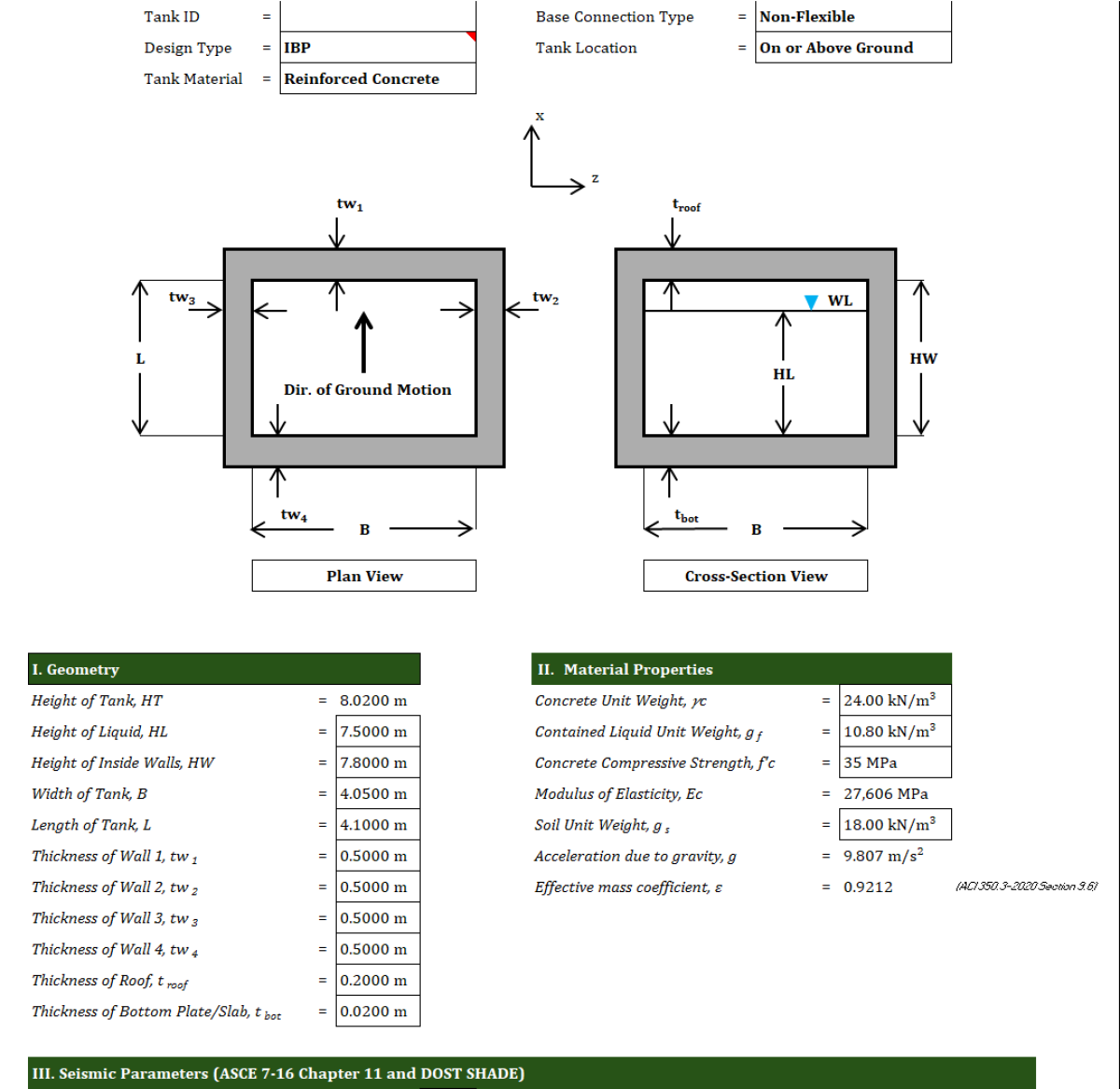
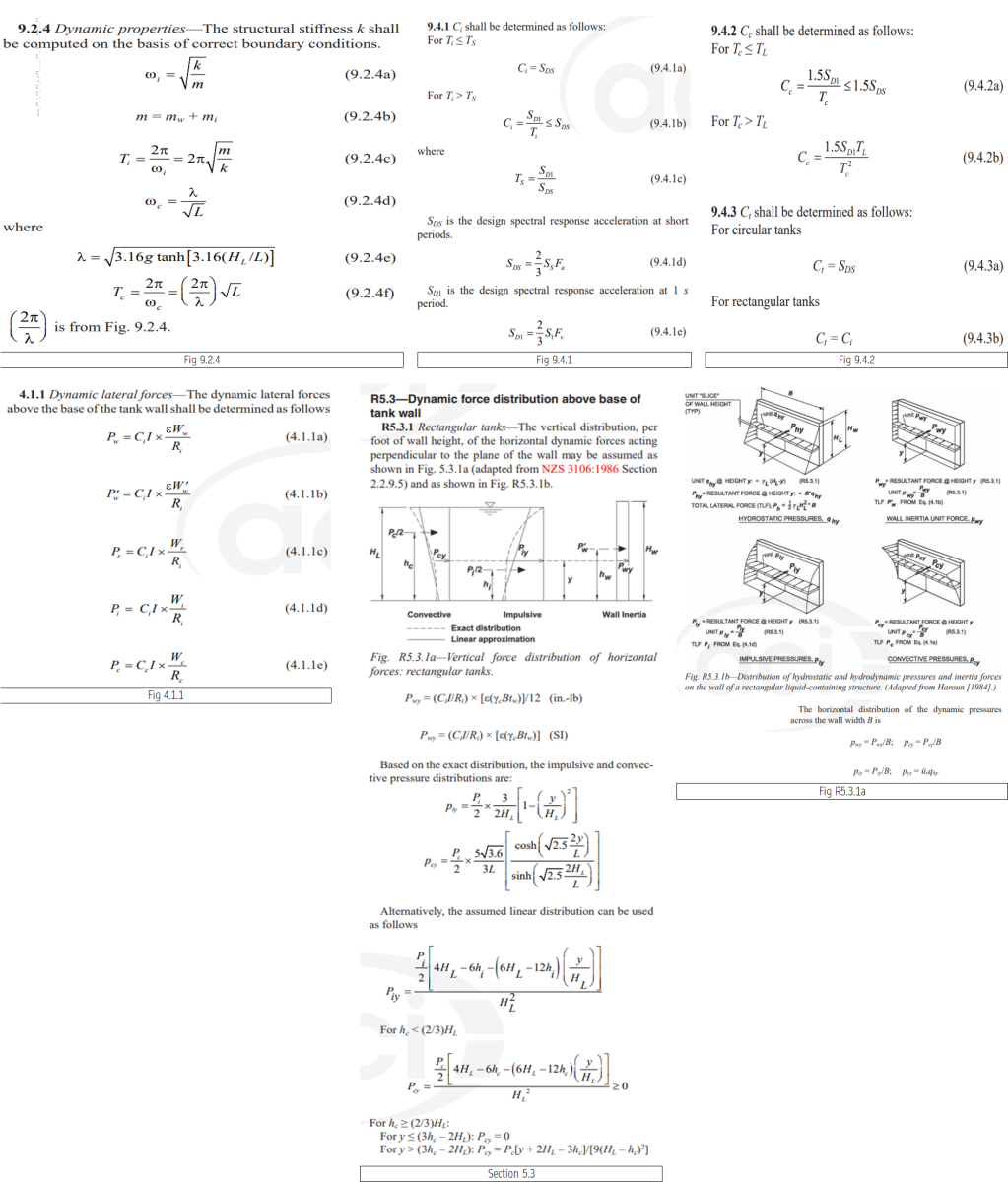
This comprehensive Excel workbook provides a complete seismic load design for liquid-containing rectangular concrete tanks. The technical approach strictly follows the dynamic analysis procedures outlined in ASCE 7-16 Chapter 11 and ACI 350.3-2020, and is specifically adapted for seismic hazard assessments in the Philippines (DOST SHADE).
Key Features
- Dynamic Liquid Modeling: Accurately partitions the contained liquid into Impulsive (rigid) and Convective (sloshing) masses to calculate realistic hydrodynamic forces.
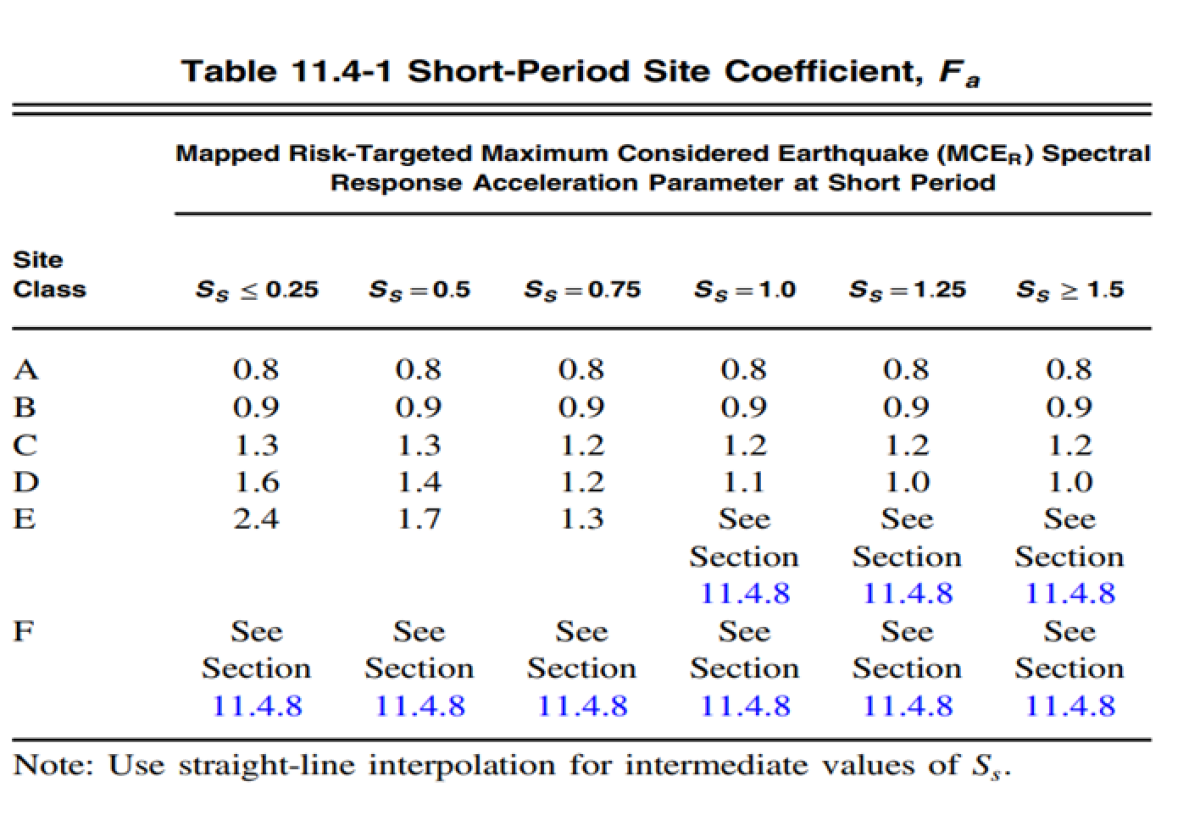
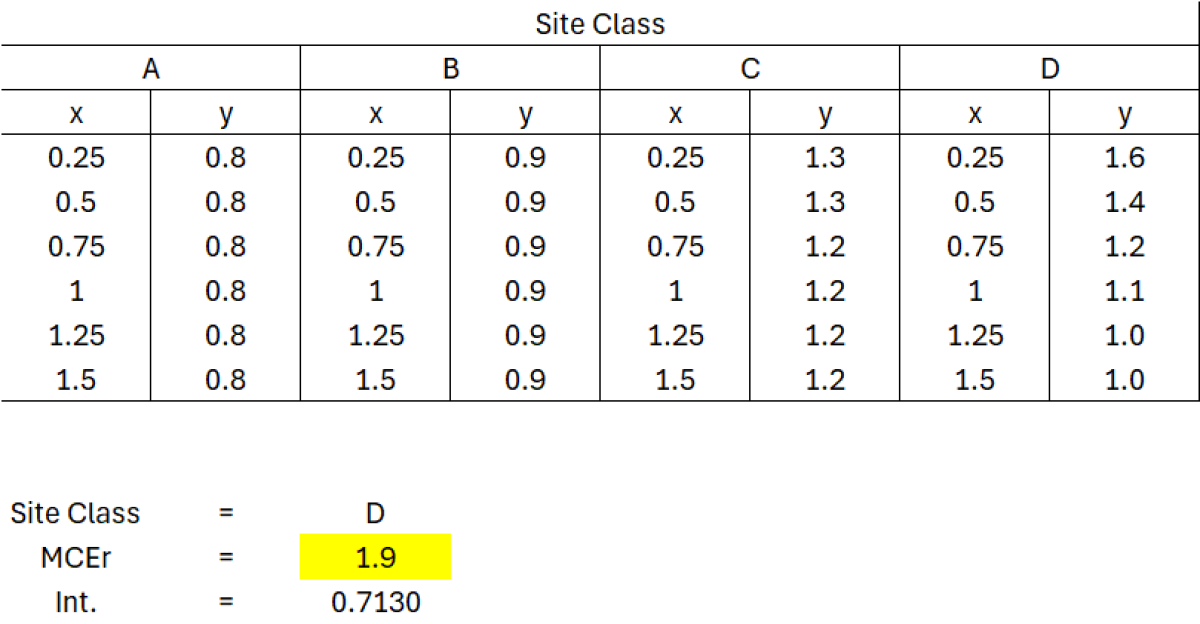
- Automated ASCE 7-16 Parameters: Readily calculates Site Coefficients ($F_a$, $Fv$) and Design Spectral Response Accelerations ($S{DS}$, $S_{D1}$).
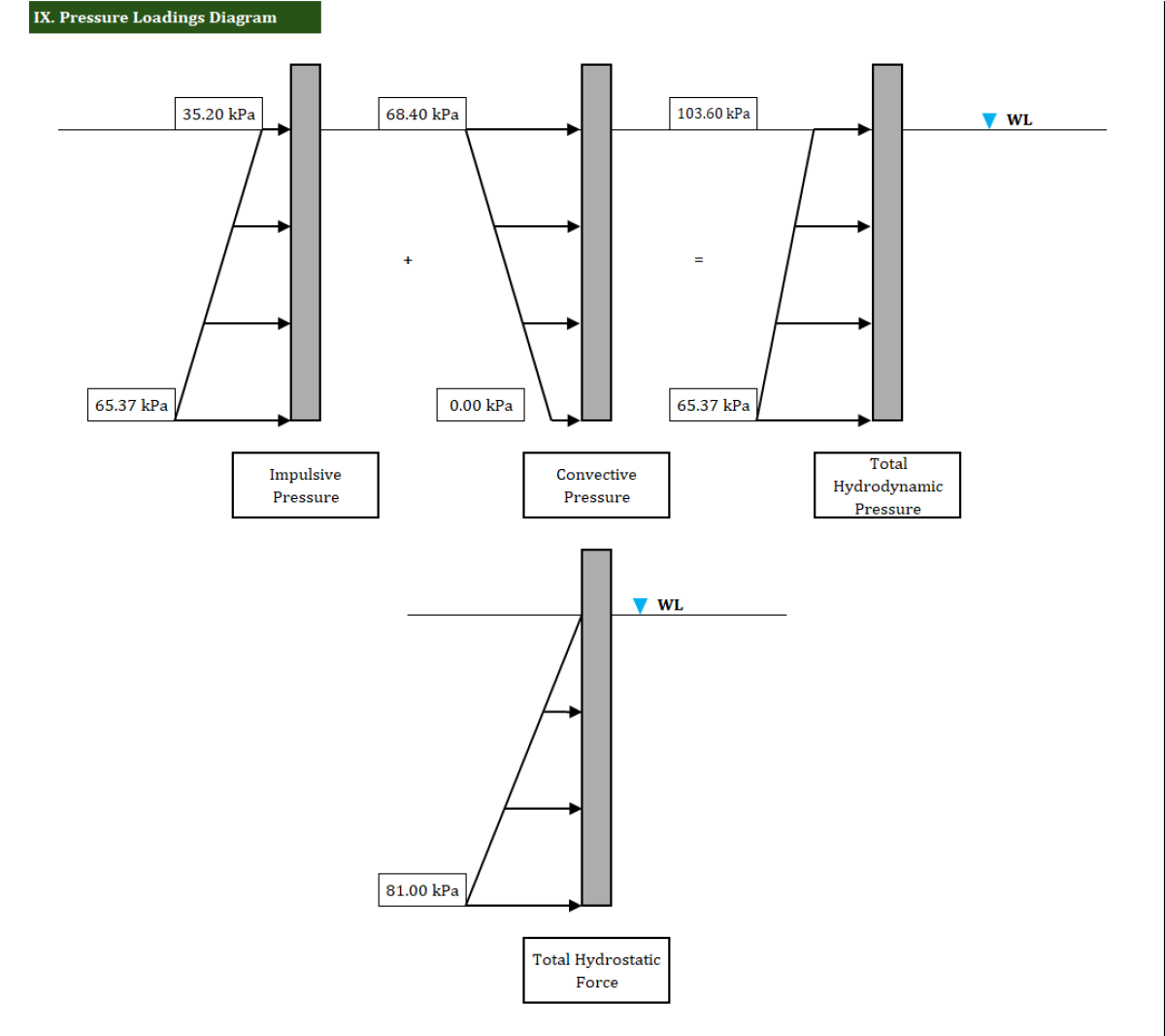
- Overturning & Pressure Diagrams: Computes the distribution of lateral inertial pressures from both impulsive and convective modes over the height of the tank walls.
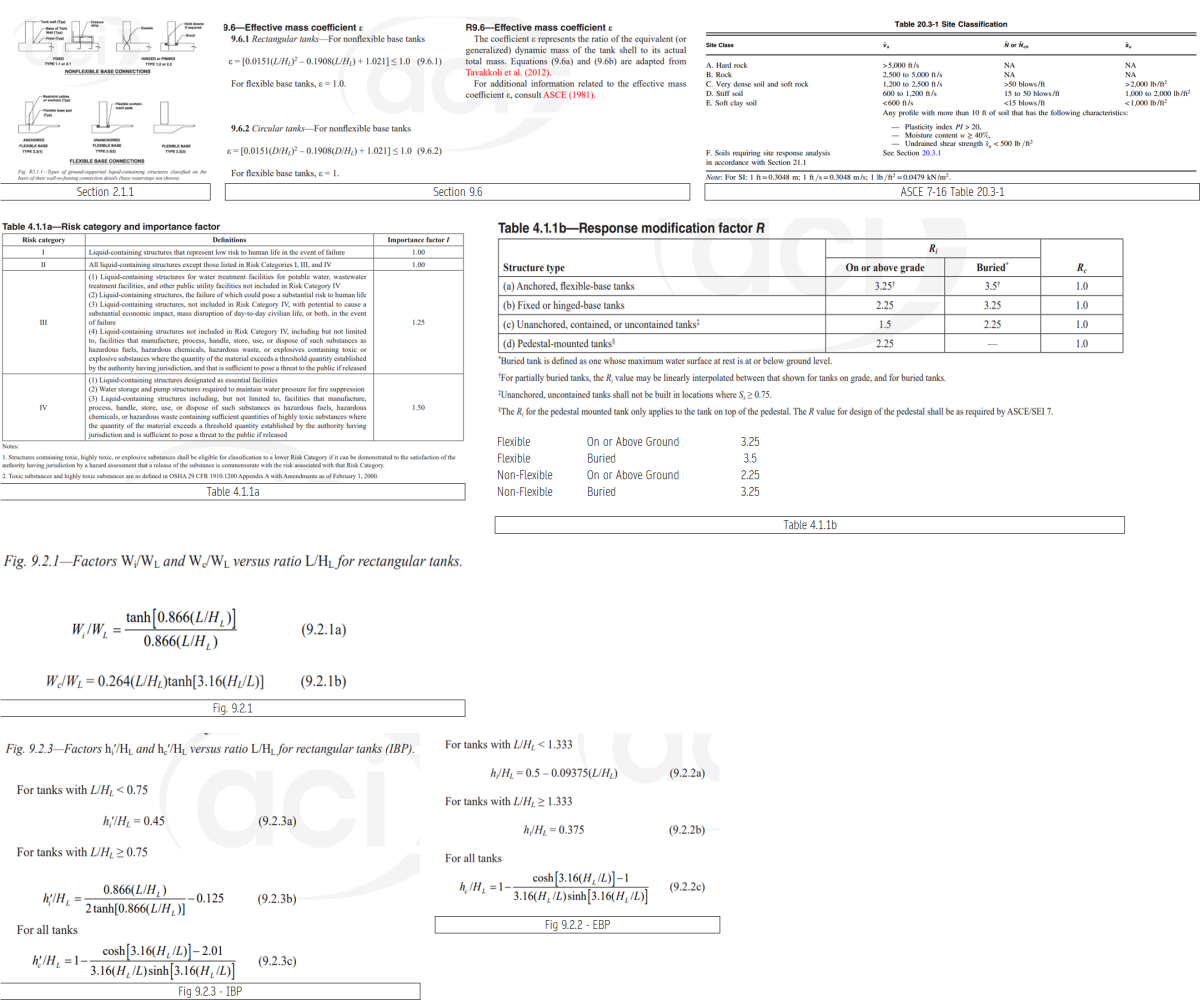
- Code Referencing: Extensive, line-by-line citations to ACI 350.3 and ASCE 7-16 tables and figures for easy independent verification.
- Supplementary RC Design: Includes integrated modules for LRFD load combinations and reinforced concrete capacity checks (shear and flexure).
How to Use
- Input Geometry: Enter tank dimensions, wall thicknesses, and liquid height on the
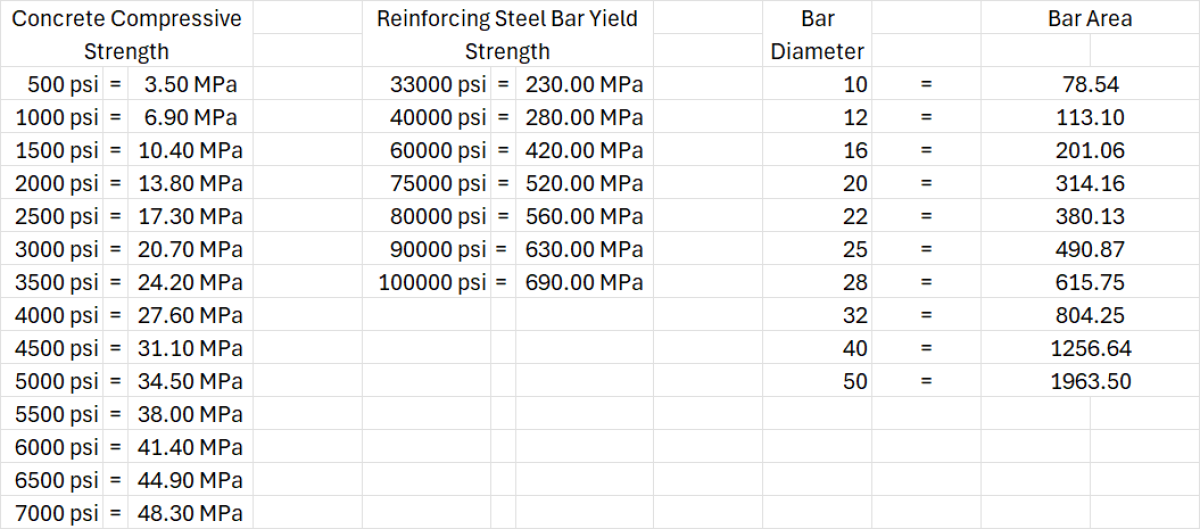
Summarytab. - Define Materials: Specify concrete compressive strength and soil/liquid unit weights.
- Set Seismic Hazard: Enter the mapped spectral accelerations and site class based on your specific location (e.g., via DOST SHADE).
- Review Hydrodynamic Loads: The workbook automatically yields the total base shear and the lateral pressure profile required for structural analysis of the walls.
Overall verdict: ✅ Approved for Publication. A highly technical and perfectly executed engineering tool.
Mathematical Model & Technical Approach
The workbook adopts a rigorous, multi-step technical approach to evaluate the hydrodynamic forces on the tank structure:
- Seismic Parameters (ASCE 7-16 Chapter 11):
- Calculates design spectral response accelerations ($S{DS}$, $S{D1}$) based on user-defined site classifications (e.g., Site Class D) and mapped MCE parameters ($S_s$, $S_1$).
- Dynamic Mass Partitioning (ACI 350.3-2020):
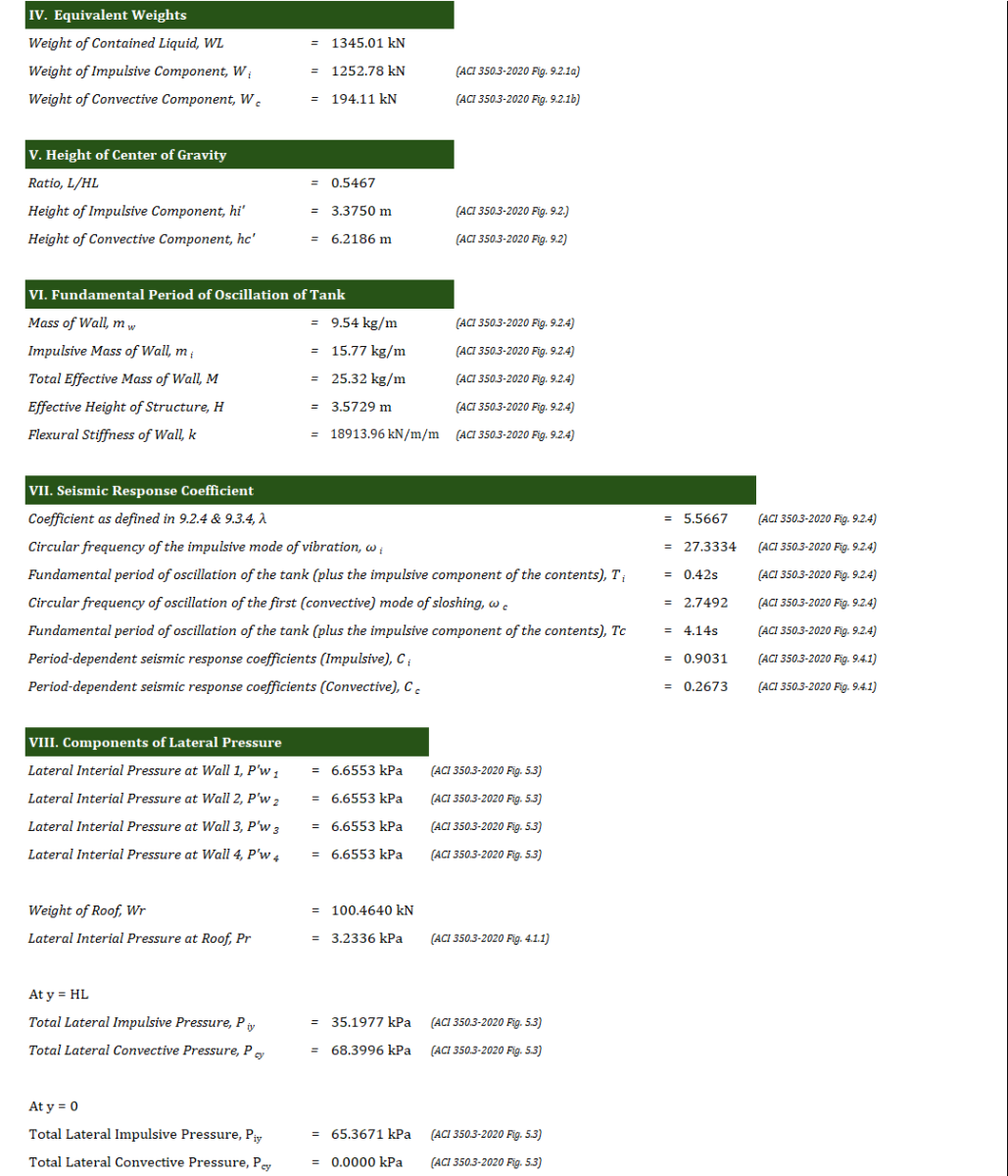
- Correctly partitions the total liquid mass into Impulsive ($W_i$) and Convective ($W_c$) components. The impulsive mass moves rigidly with the tank wall, while the convective mass represents the sloshing liquid near the surface.
- Period of Oscillation:
- Determines the fundamental period of the tank/impulsive mass system ($T_i$) and the fundamental period of the sloshing liquid ($T_c$).
- Seismic Response Coefficients:
- Calculates independent seismic base shear coefficients for both the impulsive ($C_i$) and convective ($C_c$) modes.
- Hydrodynamic Pressure Distribution:
- Determines the lateral inertial pressures on walls and roof.
- Computes the vertical distribution of the total lateral impulsive pressure ($P{iy}$) and total lateral convective pressure ($P{cy}$) to accurately determine overturning moments and wall bending stresses.
- Reinforced Concrete Design:
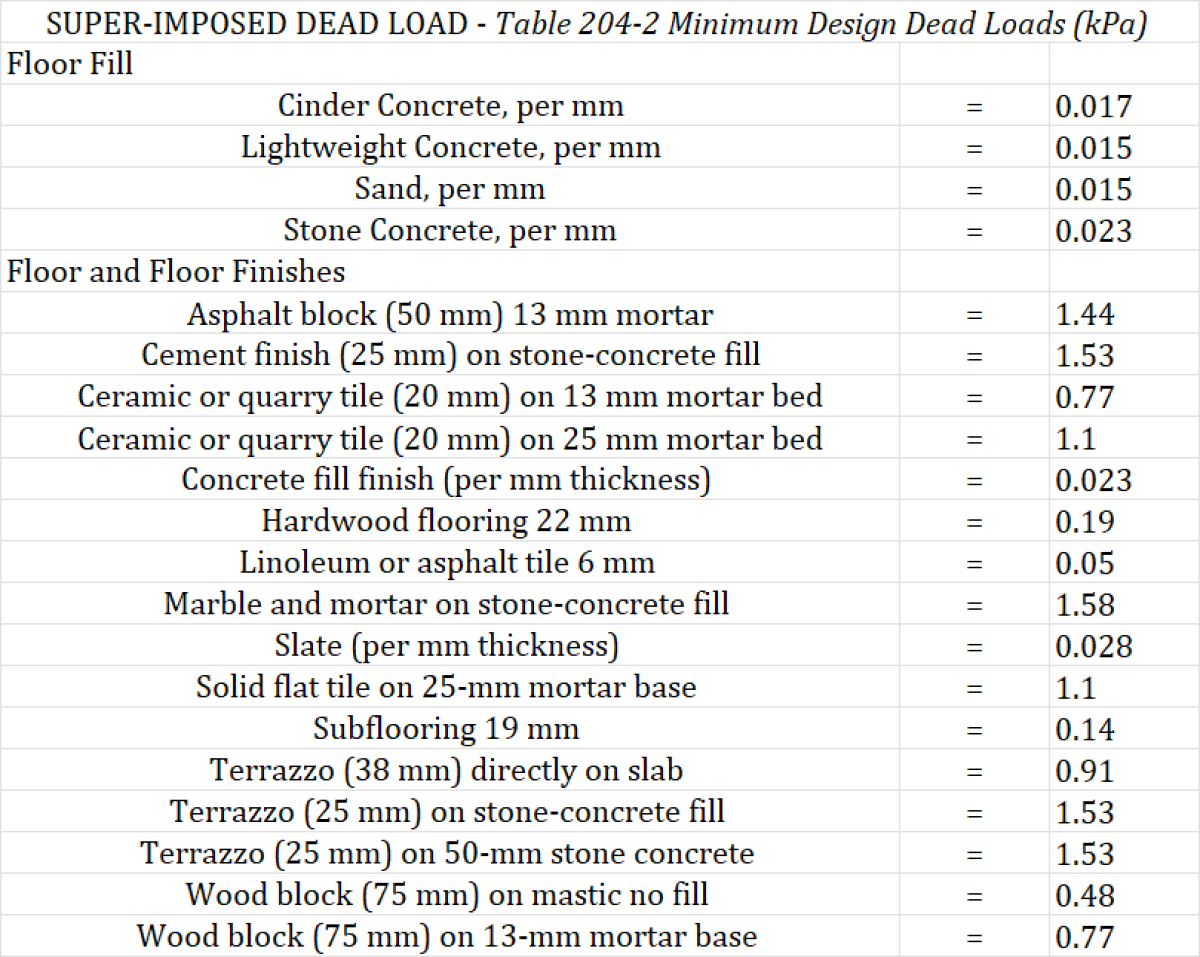
- Includes supplementary modules (like "Stair Case Beam Design") that perform LRFD load combinations, shear capacity checks, and flexural reinforcement design based on the derived loads.
Application
While generalized for ASCE 7-16, the tool is thoughtfully pre-configured to assist engineers working with the Philippine DOST SHADE (Seismic Hazard Assessment for Design of Earthquake) data, making it highly valuable for civil/structural engineers in that region.
Quality Checklist Review
- [Y] Verify submitter ownership (Aaron Casey Lorecto)
- [Y] Check for duplication in repository (Unique and specialized submission)
- [Y] Confirm file is unprotected (Full formula access allowed)
- [Y] Review submission category appropriateness (Strength / Seismic)
- [Y] Clear sketches/diagrams included (Visual aids provided on the download/preview page)
- [Y] Logical presentation flow (Excellent breakdown from Geometry → Seismic Parameters → Pressures)
- [Y] References to standards (Explicit line-by-line references to ACI 350.3-2020 Figures/Sections and ASCE 7-16)
Note: This calculation does not utilize the XLC Add-in for equation rendering, relying instead on standard Excel formulas. However, the step-by-step tabulation and clear code referencing mitigate this and maintain an acceptable level of auditability.
Calculation Preview
 (0/0)
(0/0)
Full download access to any calculation is available to users with a paid or awarded subscription (XLC Pro).
Subscriptions are free to contributors to the site, alternatively they can be purchased.
Click here for information on subscriptions.